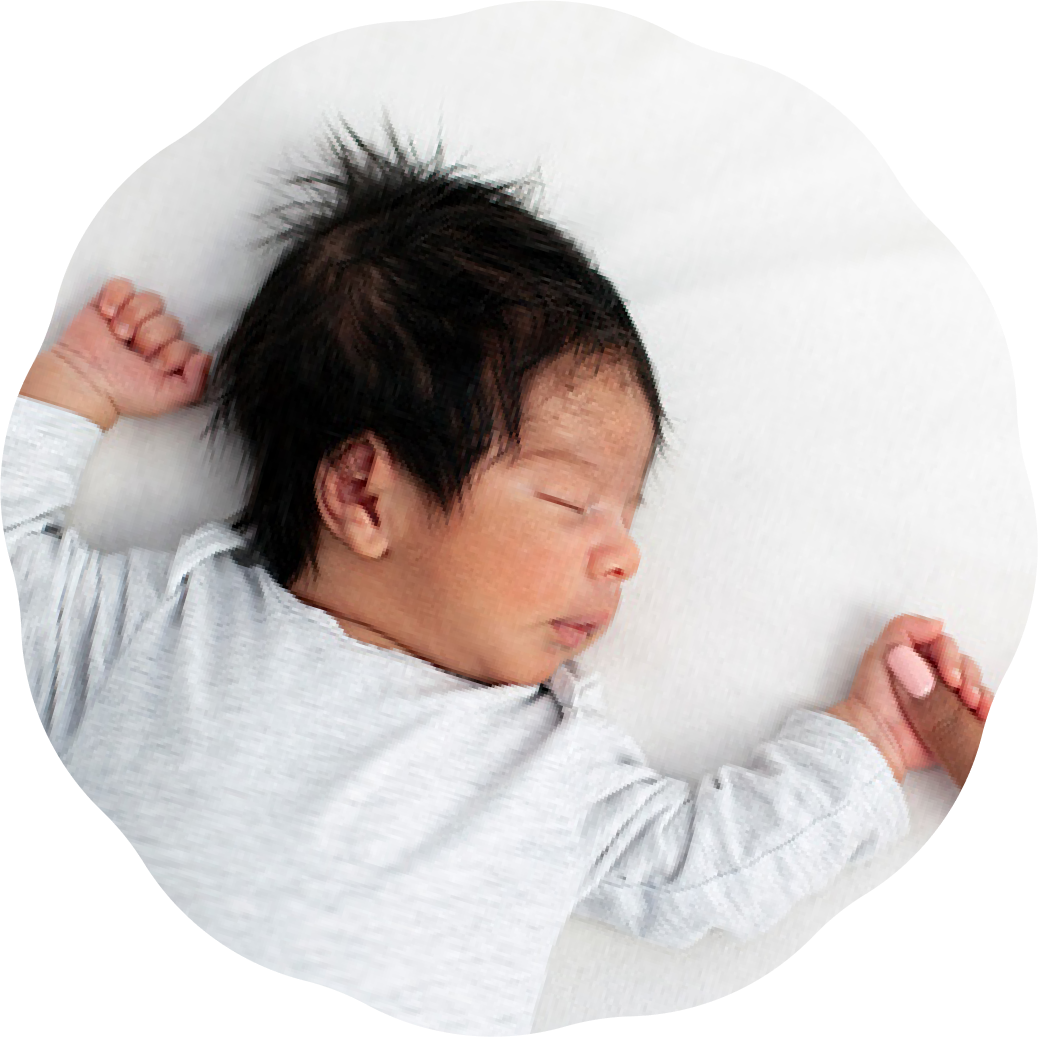
Every Year, Babies In Maine Die In Their Sleep
Many of these deaths could potentially be prevented simply by following the ABCs of Safe Sleep.


ABCs of Safe Sleep

ALONE
Alone in Their Crib
Share the room, not the bed. The safest place for your baby to sleep is in your room, but NOT in your bed. Babies should always sleep alone. There should never be anything else in a baby’s sleep space except for the baby. A pacifier is okay if the baby uses one, but if breastfeeding, please wait until breastfeeding is well established. Pacifiers should not be attached to a string, cord, stuffed animal, or anything else.

BACK
On Their Back for Nights and Naps
A baby should always sleep on their back at night and during nap time. Back sleeping on a firm, flat mattress in a crib or portable crib decreases the risk for SIDS. It does NOT increase the risk for choking or affect baby’s sleep quality. It is not safe to place babies on their stomach or side to sleep. Make sure all caregivers know back to sleep is best.

CRIB
Clean, Clear Crib
Babies should sleep in a clean, clear crib. A baby’s crib should contain a fitted sheet only; no blankets, toys, pillows, bumpers, or other items that could cover a baby’s face and suffocate them. Cribs, bassinets, and portable playards with firm, flat mattresses are the only safe places for babies to sleep.
The most common sleep-related risk factor identified was an infant being placed on a surface not designed for infant sleep. A baby should never sleep on a couch, a swing, an adult bed, or on an adult’s chest while lying down. These places are not designed for a baby and could cause the child to suffocate. A baby sleeping in a car seat should be moved to a crib, bassinet, or portable playard as soon as you get out of the car.

DANGER
Be Aware, Know the Dangers Beyond the Crib
Secondhand smoke increases the risk of SIDS and other health issues. Never use drugs or alcohol when caring for your infant. Be cautious of side effects when taking medications (including over-the-counter). If you’re exhausted, ask for help so you can rest. Make sure the baby isn’t too warm, dress them for the room’s temperature.
What You Need to Know
Unsafe Sleep
Unsafe sleep practices are anything in the caretaker’s control that increase an infant’s risk of sleep-related death. The most common sleep-related risk factor is babies being placed on sleep surfaces that are not designed for infant sleep:
- Adult beds
- Couches
- Recliners
Putting a baby on their side or stomach for sleep puts them at a higher risk for SIDS. In fact, sleep-related deaths have declined nationwide as more parents have put their babies to sleep on their backs.
Be sure to familiarize yourself with some of these most common unsafe sleep practices and avoid them when taking care of an infant:
- Putting an infant to sleep in any position other than on their back.
- Allowing an infant to sleep anywhere other than in a clean, clear crib.
- Allowing an infant to sleep with items in their crib such as blankets, bumper pads, pillows, etc.
- Leaving an infant in somebody else’s care without informing them of safe sleep practices.
- Caring for an infant while under the influence of drugs and/or alcohol.
Safe Sleeping Practices Can Save A Baby’s Life
Sleep-related deaths are the major cause of death in infants between one month and one year of age. A safe sleep space can help lower the risk of sleep-related deaths.